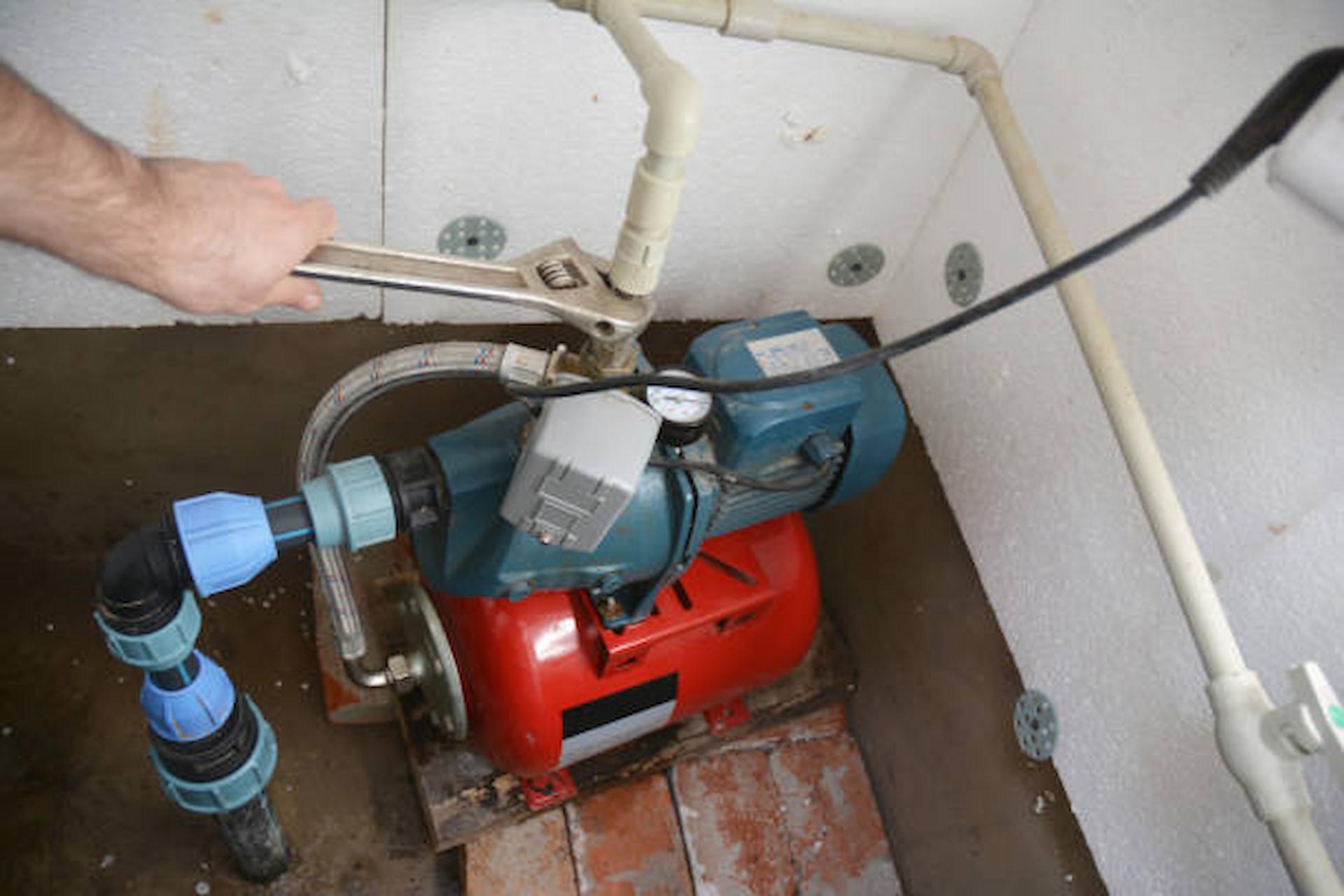
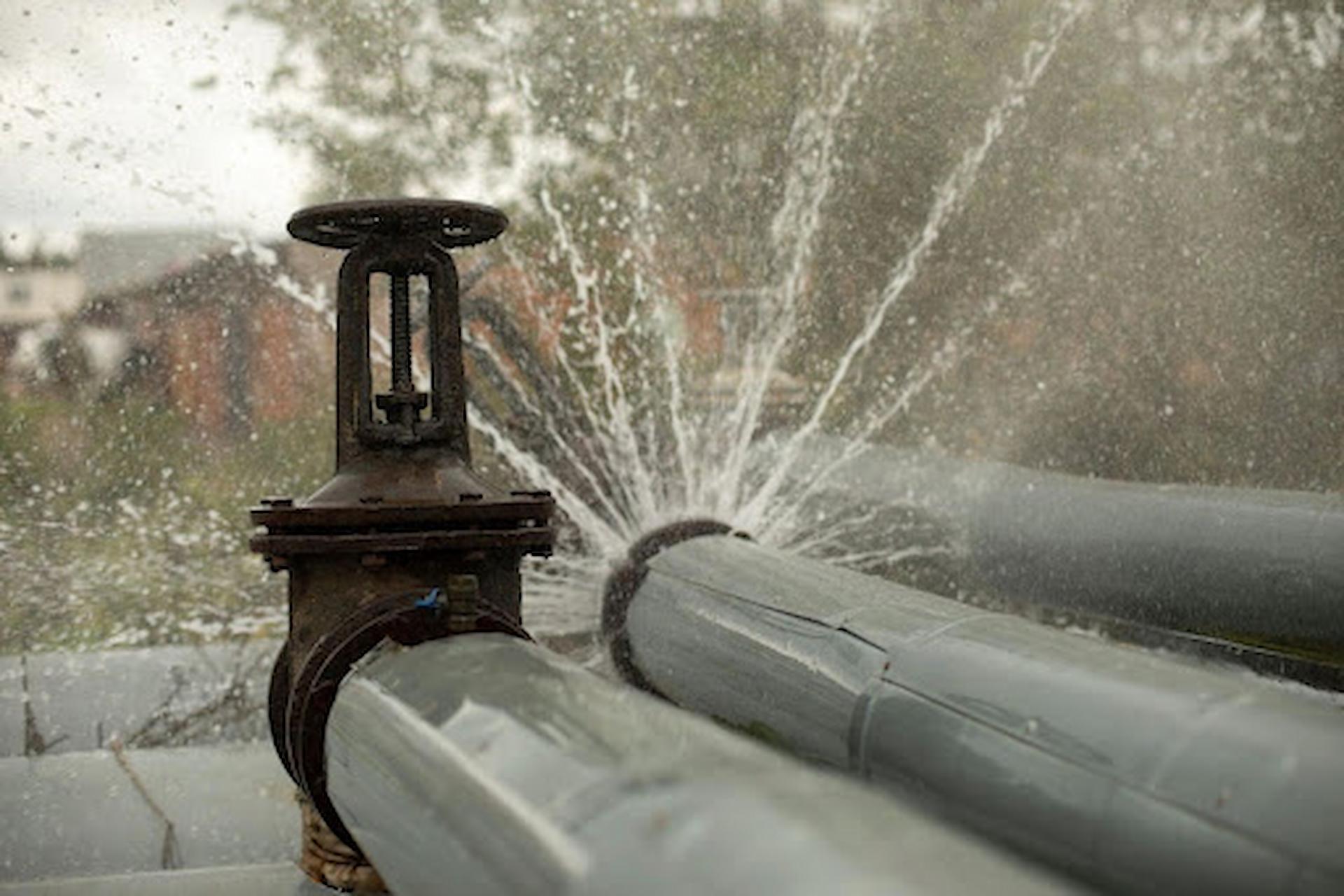
Water leaks often begin as small pipe fractures or hidden joint failures, spreading moisture beneath floors and behind walls long before visible signs appear. By the time damp patches or higher bills raise concern, structural materials may already be affected. Using tools like acoustic sensors and thermal imaging, specialists can pinpoint the exact source without unnecessary damage, reducing disruption and preventing minor leaks from turning into costly repairs.
A leak does not need to be dramatic to be destructive. Even a slow, unseen escape of water can waste significant volumes and gradually weaken building materials over time. For this reason, leak detection has become an essential part of modern property maintenance, helping identify hidden problems before they develop into visible damage or costly repairs. Instead of relying on surface symptoms, today’s approaches focus on analysing subtle changes within the water system itself to locate issues at an early stage.
Why Hidden Leaks Are So Difficult to Identify
Hidden leaks rarely behave in obvious ways. Their impact often develops gradually, making early signs easy to miss without specialised assessment.
Water rarely appears where the leak begins
Moisture often travels along pipes, foundations, or insulation layers before it becomes visible. By the time staining or damp patches emerge, the true source may be some distance away.
Building structures conceal early warning signs
Concrete, brickwork, and flooring materials can absorb moisture without immediate surface change. This allows leaks to continue unnoticed for extended periods.
Slow leaks cause the most cumulative damage
Small, continuous losses are easy to overlook but can weaken materials, increase humidity, and raise water usage quietly over time.
Visual checks are no longer reliable
Modern plumbing layouts are complex. Relying on sight alone is rarely enough to locate faults accurately.
What Leak Detection Technology Is Designed to Do
Modern leak detection technology focuses on identifying abnormal behaviour within a water system rather than searching for visible damage. By monitoring sound, pressure, temperature, and flow patterns, specialists can determine whether water is escaping and narrow down its location without disturbing the structure. The emphasis is on precision, speed, and minimising disruption, allowing issues to be addressed before they escalate into costly repairs.
Acoustic Leak Detection and Sound Analysis
Sound-based detection relies on the fact that escaping water behaves differently from controlled flow. These differences can be measured even when pipes are concealed.
How leaking water creates detectable vibration
When pressurised water escapes through a crack or joint, it generates vibrations. These travel along pipework and surrounding materials, creating a sound signature that differs from normal flow.
Isolating leak noise from background activity
Acoustic equipment filters out environmental sounds such as traffic or appliances. This allows subtle leak-related frequencies to be identified even in busy settings.
Thermal Imaging and Temperature-Based Detection
Thermal imaging detects temperature variations across surfaces. Escaping water often alters the temperature of surrounding materials, creating patterns that standard inspection cannot see. These differences are displayed visually, allowing large areas to be assessed quickly and non-invasively. This approach is particularly effective where pipework is concealed within walls, floors, or ceilings and where access would otherwise require structural removal.
Pressure Testing and Flow Monitoring
Water systems are designed to operate within stable limits, so monitoring pressure and flow provides a reliable way to assess whether those limits are being maintained. A healthy system holds consistent pressure over time, and testing typically involves isolating sections of pipework to observe any gradual or sudden loss. Flow monitoring adds another layer of insight by highlighting unexpected water movement, such as continuous usage when no outlets are in operation. Together, these indicators strengthen leak detection accuracy by confirming hidden water loss even when no visible symptoms are present.
Tracer Gas Detection for Precise Leak Location
Tracer gas methods focus on accuracy where other techniques may be limited. They are especially useful for buried or hard-to-access pipework.
Introducing a safe detection medium
A non-toxic gas is introduced into drained pipework. Because it is lighter than air, it escapes through even the smallest openings.
Following the path of least resistance
The gas rises through surrounding materials, emerging at the leak point where it can be detected at surface level.
Accuracy without excavation
Sensitive detectors pinpoint the exact location, avoiding unnecessary digging or dismantling.
Why Modern Leak Detection Is More Reliable Than Older Methods
Modern systems combine multiple technologies rather than relying on a single indicator. Sound, pressure, temperature, and gas data are assessed together to confirm findings. This layered approach reduces false readings and allows faults to be identified quickly and confidently. As a result, investigations are shorter, repairs are more precise, and disruption is kept to a minimum.
Benefits That Extend Beyond Finding the Leak
Early leak detection protects building materials by limiting prolonged exposure to moisture. It also helps manage water consumption, preventing unnoticed waste that increases utility costs. Beyond immediate repair, detection data supports informed maintenance decisions and reduces the likelihood of repeat issues.
Practical Takeaways for Property Owners
- Monitor water bills for unexplained increases
- Pay attention to persistent pressure changes
- Treat musty or damp smells as early warning signs
- Avoid invasive investigation without proper detection
- Act promptly to prevent escalation
The Future Direction of Leak Detection Technology
Advances in monitoring systems are moving toward continuous oversight rather than one-time inspections. Smart sensors are increasingly capable of identifying abnormal patterns early and issuing alerts before damage occurs. As accuracy improves, detection becomes less intrusive and more preventative, shifting maintenance from reactive to planned.
Wrapping Up
Hidden leaks no longer need to remain undetected until damage becomes unavoidable. Modern leak detection technology uses sound analysis, thermal imaging, pressure testing, and gas tracing to locate faults accurately and efficiently. These methods replace invasive investigation with informed precision, allowing issues to be addressed at their source rather than after visible deterioration appears.
Beyond immediate repair, effective detection supports better long-term property management. Early identification limits structural exposure to moisture, reduces unnecessary water loss, and helps prevent repeat failures caused by unresolved underlying issues. As detection tools continue to improve, they enable a more proactive approach to maintenance—one that prioritises control, efficiency, and prevention over disruption and emergency response.