
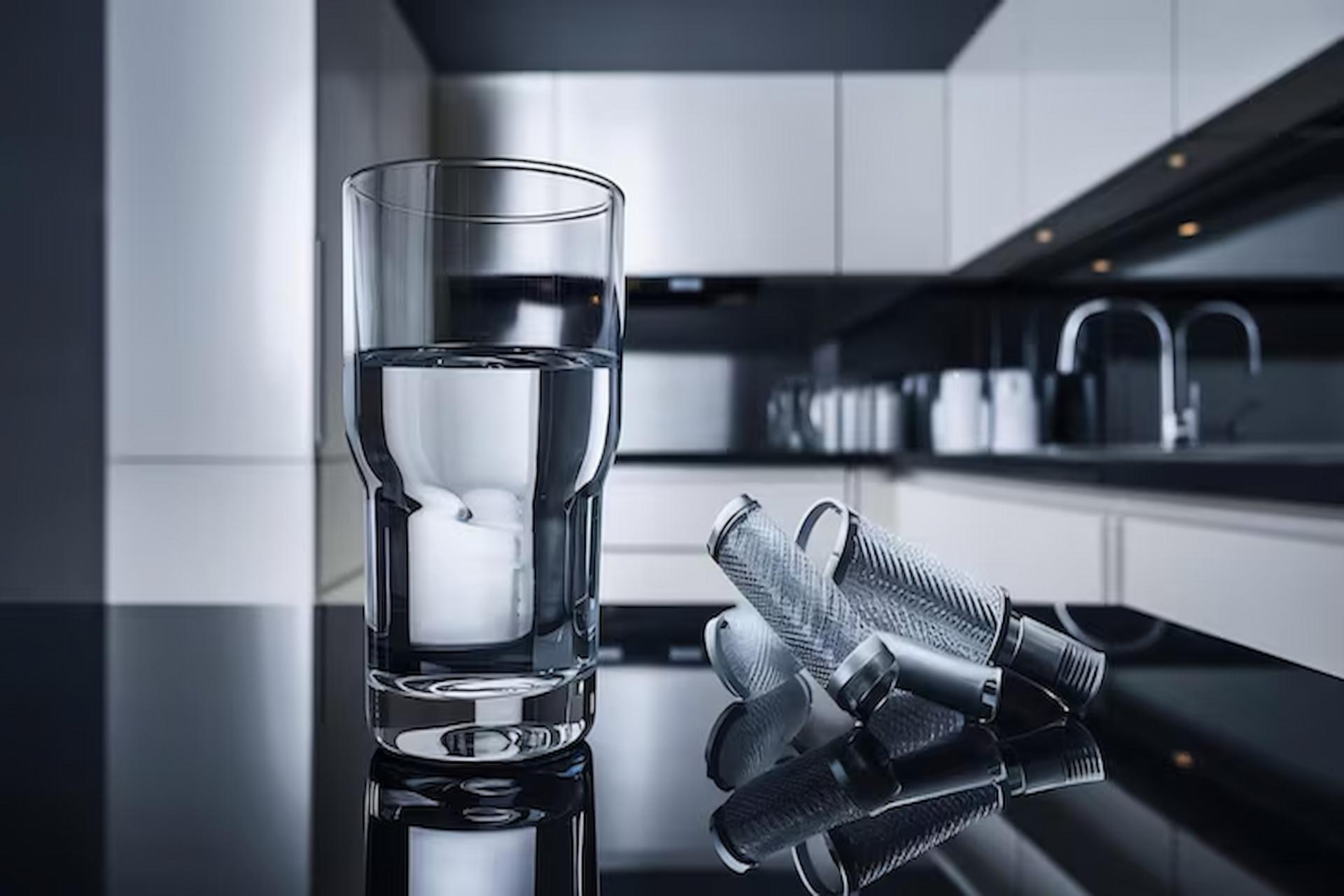
Water is essential to life, yet access to clean, safe drinking water can often be a challenge. Whether you live in an area with questionable tap water quality or simply want to improve the taste and purity of your water, finding an effective and space-efficient filtration solution is key. Enter the countertop water filter—a compact, cost-effective, and efficient way to provide cleaner, better-tasting water at home. But is it the right choice for your needs? Let’s explore why these space-saving devices are gaining popularity and how they can help you achieve better drinking water.
Why Choose Countertop Water Filters?
When it comes to improving your drinking water quality, you might think of bulky filtration systems that take up too much room. This is where a counter top water filter stands out. These systems are ideal for smaller kitchens or apartments where counter space is at a premium. Not only do they occupy minimal space, but they are also portable, easy to install, and do not require permanent plumbing modifications.
A countertop water filter works by filtering your tap water through a variety of media such as activated carbon, ceramic, or reverse osmosis membranes, depending on the model you choose. The result? Cleaner, better-tasting water that’s free of chlorine, heavy metals, and other common contaminants.
Types of Countertop Water Filters
There are various types of countertop filters to suit different needs and budgets. The most common types include activated carbon filters, ceramic filters, and reverse osmosis (RO) filters. Each of these has its own advantages and filtration capacity, so it’s important to choose one based on your specific water quality and needs.
1. Activated Carbon Filters
Activated carbon filters are great for improving the taste and smell of your water by removing chlorine, volatile organic compounds (VOCs), and other chemicals. They are relatively affordable, easy to use, and require little maintenance, making them a popular option for many households.
2. Ceramic Filters
Ceramic filters provide an extra layer of filtration by removing bacteria, sediments, and other impurities. They are ideal for those looking to eliminate microbial contaminants from their water, particularly in areas with water quality concerns.
3. Reverse Osmosis (RO) Filters
A counter top reverse osmosis water filter takes filtration a step further by using a semi-permeable membrane to remove a wide range of contaminants, including heavy metals, salts, and even viruses. RO systems are highly effective in improving the overall quality of water and are especially beneficial for areas with hard or heavily contaminated water. They typically offer superior filtration compared to other systems, ensuring that your drinking water is as pure as possible.
Benefits of Countertop Water Filters
Countertop filters not only save space but also offer a range of practical benefits that make them an attractive option for many consumers:
1. Improved Water Quality
Countertop filters can dramatically improve the taste, odor, and overall quality of your drinking water. By filtering out harmful contaminants, they provide you with safer, cleaner water straight from your tap.
2. Easy Installation
Unlike whole-house filtration systems, countertop water filters require minimal installation. Most systems can be set up in minutes by connecting the filter to your faucet, allowing you to enjoy filtered water without the need for professional assistance.
3. Cost-Effective
When compared to bottled water, countertop filters are a much more affordable long-term solution. Not only do you save money on purchasing bottled water, but you also reduce the environmental impact of plastic waste.
4. Space-Saving Design
A key advantage of countertop filters is their compact design. Unlike large under-sink or whole-house filtration systems, countertop filters are designed to sit neatly on your kitchen counter, taking up little space while delivering high-quality water filtration.
5. Portability
Another major benefit is their portability. You can move the filter easily if you relocate or simply want to change the filter’s location in your kitchen. This makes countertop filters ideal for renters or those who may not want a permanent installation.
Considerations When Choosing a Countertop Water Filter
Before purchasing a countertop water filter, consider the following:
- Water Quality: Check your tap water’s quality to determine which filter will be most effective. If you have high levels of chlorine or lead, for example, a reverse osmosis filter may be the best option.
- Maintenance: Some filters, like activated carbon filters, require frequent cartridge replacement, while others, such as ceramic filters, may only need to be cleaned periodically. Choose a filter that matches your maintenance preferences.
- Filtration Speed: Some filters take longer to purify water than others. Consider how much water you typically use and whether a slower filtration rate will be inconvenient for your daily needs.
Conclusion:
A countertop water filter is an excellent solution for those seeking clean, safe, and great-tasting water without the hassle of a larger, more complex filtration system. With their compact size, ease of installation, and cost-effectiveness, these filters offer a great way to improve your water quality while saving valuable counter space. Whether you choose an activated carbon filter, a ceramic filter, or a counter top reverse osmosis water filter, you can be confident that you’re making a smart investment in your health and your home.