When summer temperatures climb, air conditioners become one of the most relied-upon systems in a home. During periods of extreme heat, cooling systems run longer cycles and operate under greater pressure to maintain comfortable indoor temperatures. While most systems are designed to handle seasonal demand, summer often exposes hidden issues that may have gone unnoticed during cooler months.
Homeowners frequently report problems such as weak airflow, inconsistent cooling, unusual noises, or sudden increases in energy bills. These warning signs typically indicate that the system is working harder than it should or that a component requires maintenance or repair. Understanding the most common AC issues during summer helps homeowners respond early, preventing small concerns from developing into costly breakdowns.
This guide explains why air conditioners struggle during hot weather, the most common problems homeowners encounter, and how refrigerant leaks affect system performance.
Why Air Conditioners Experience More Problems in Summer
Air conditioners work by transferring heat from inside the home to the outdoors through a continuous cooling cycle. When outdoor temperatures rise, this process becomes more demanding because the system must remove more heat while operating in hotter conditions.
Several factors contribute to increased system stress during summer:
- Higher cooling demand: Longer run times place more strain on the compressor and internal components.
- Outdoor heat exposure: Condenser units struggle to release heat efficiently in extremely hot weather.
- Dust and debris buildup: Summer winds and environmental particles can block airflow around outdoor units.
- Humidity levels: Higher humidity increases the cooling load inside the home.
As these conditions combine, even a well-maintained air conditioning system may begin to show signs of reduced efficiency.
Weak Airflow and Uneven Cooling in the Home
One of the most common summer AC complaints is poor airflow. Homeowners may notice that some rooms remain warm while others feel cool, or that air coming from vents feels weaker than usual.
Several issues can contribute to airflow problems:
Dirty Air Filters
Air filters trap dust and airborne particles to protect the cooling system and improve indoor air quality. When filters become clogged, airflow decreases and the system must work harder to circulate cool air.
Blocked Air Vents
Furniture, curtains, or rugs placed over vents can restrict airflow and prevent proper air distribution throughout the home.
Ductwork Restrictions
Leaky or damaged duct systems may allow cooled air to escape before reaching living spaces, reducing overall cooling efficiency.
Replacing filters regularly and ensuring vents remain unobstructed can often restore normal airflow.
Warning Signs of Refrigerant Problems
Refrigerant is a crucial component of an air conditioning system. It absorbs heat from indoor air and carries it outside through the cooling cycle. When refrigerant levels drop due to a leak, the system cannot remove heat effectively.
Common symptoms of refrigerant issues include:
- Warm air blowing from vents
- Ice forming on evaporator coils
- Longer cooling cycles
- Increased electricity consumption
- Hissing or bubbling sounds near refrigerant lines
When these signs appear, homeowners should understand what to do with a refrigerant leak so the issue can be addressed before it causes more serious damage to the cooling system.
Understanding Refrigerant Leaks and Their Impact on Cooling
Refrigerant circulates through a closed loop within the air conditioning system. It changes from liquid to gas as it absorbs heat from indoor air and then releases that heat outside through the condenser unit.
When a leak occurs, refrigerant pressure drops and the cooling cycle becomes less efficient. As a result, the system must run longer to reach the desired temperature.
Common Causes of Refrigerant Leaks
Several factors can lead to refrigerant loss over time:
- Corrosion in copper refrigerant lines
- Loose connections within the system
- Vibration damage from extended operation
- Manufacturing defects or aging components
Ignoring these issues can place excessive strain on the compressor, one of the most expensive parts of an air conditioning system. Learning what to do with a refrigerant leak helps homeowners recognise when professional repair is necessary and prevents further damage to the cooling equipment.
Preventive Maintenance to Avoid Summer AC Failures
Regular maintenance is the most effective way to prevent air conditioning problems during the hottest months of the year. Preventive care helps ensure that every component operates efficiently and reduces the risk of sudden system failures.
Homeowners can protect their cooling systems by following a few simple maintenance steps:
- Replace air filters every one to three months
- Keep outdoor condenser units clear of leaves and debris
- Ensure vents remain open and unobstructed
- Schedule seasonal HVAC inspections before peak summer heat
- Monitor energy bills for unusual increases
These steps allow technicians to identify potential issues early, including airflow restrictions and refrigerant concerns.
When to Call an HVAC Professional
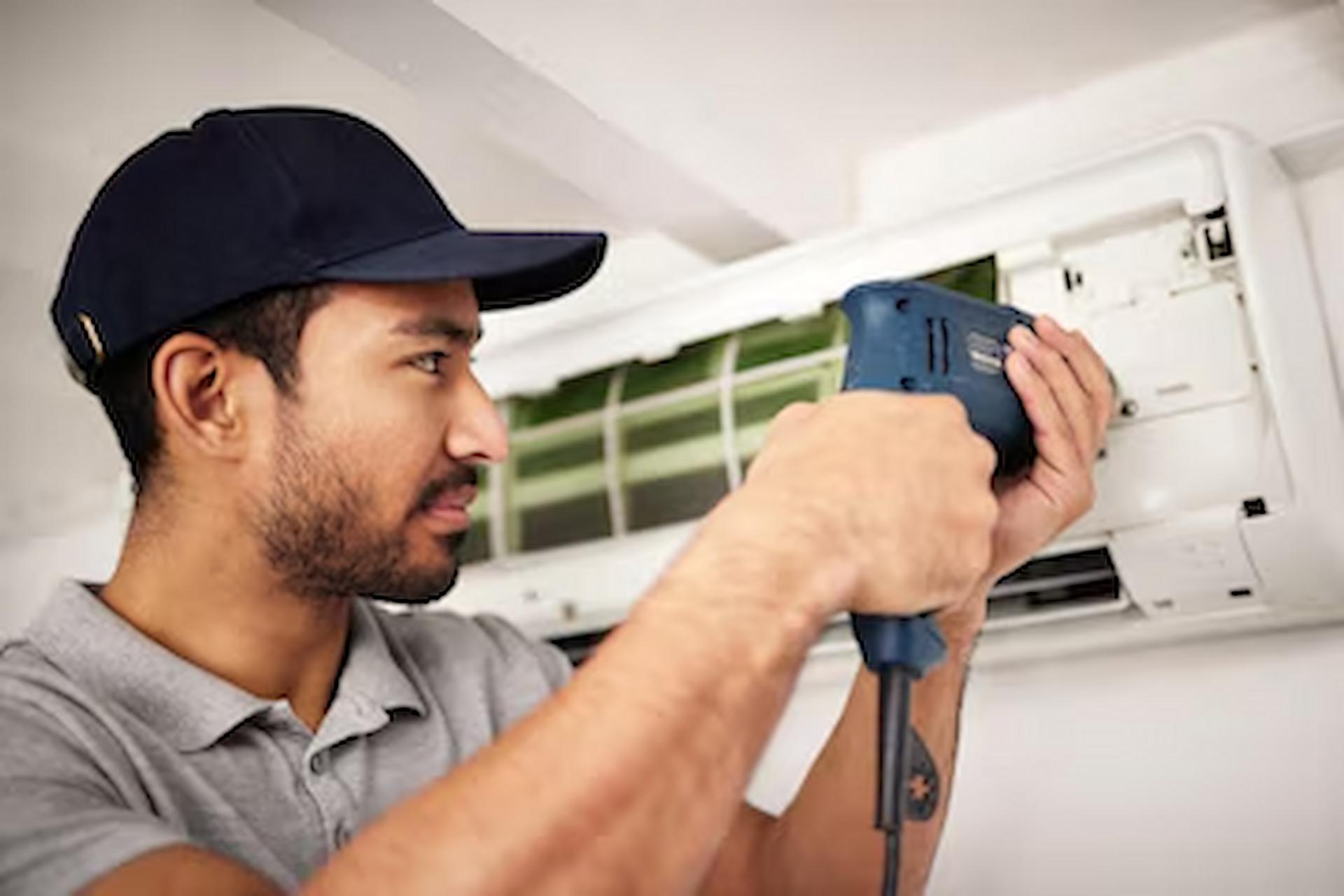
While basic maintenance tasks can be handled by homeowners, some air conditioning issues require professional expertise. Refrigerant systems operate under pressure and must be serviced using specialised tools and certified procedures.
Professional HVAC technicians can:
- Detect refrigerant leaks using specialised equipment
- Repair damaged lines or connections
- Recharge refrigerant to proper levels
- Inspect compressor and electrical components
- Evaluate overall system efficiency
If cooling problems persist or symptoms suggest refrigerant loss, technicians can determine what to do with a refrigerant leak and restore the system to safe operating conditions.
Conclusion
Air conditioners face significant strain during summer, which is why many cooling problems appear during the hottest months of the year. Weak airflow, uneven cooling, frozen coils, and rising energy bills often indicate that a system needs attention before performance declines further.
Refrigerant leaks are among the most serious AC issues because they directly affect the system’s ability to remove heat from indoor air. When refrigerant levels drop, cooling efficiency decreases and important components like the compressor may experience additional stress.
By understanding common summer AC problems and responding quickly when warning signs appear, homeowners can maintain consistent indoor comfort and avoid costly repairs. Routine maintenance, early troubleshooting, and professional inspection when needed help ensure that air conditioning systems continue operating efficiently throughout the entire cooling season.