For homeowners who rely on a private well, the pump is arguably the most important piece of equipment on the property. Without it, there is no running water — full stop. Whether you are building a new home in a rural area, replacing an ageing system, or simply trying to understand what you already have, knowing the basics of well pump systems can save you time, money, and a great deal of frustration.
Before you commit to any work, it pays to do your homework. Well pump installation is not simply a matter of dropping a pump into a hole — it involves selecting the right type of system, understanding your well’s depth and yield, complying with local regulations, and ensuring the installation is carried out safely. Here is what every homeowner ought to know before the process begins.
Understanding the Types of Well Pump
Not all well pumps are the same, and choosing the wrong type for your situation can result in poor performance or premature failure. There are two primary categories:
Submersible pumps are installed deep within the well casing, submerged in the water itself. They push water upward to the surface and are typically used for deeper wells — usually those more than eight metres below the surface. Submersible pumps are efficient, quiet, and reliable, and are by far the most common choice for residential properties.
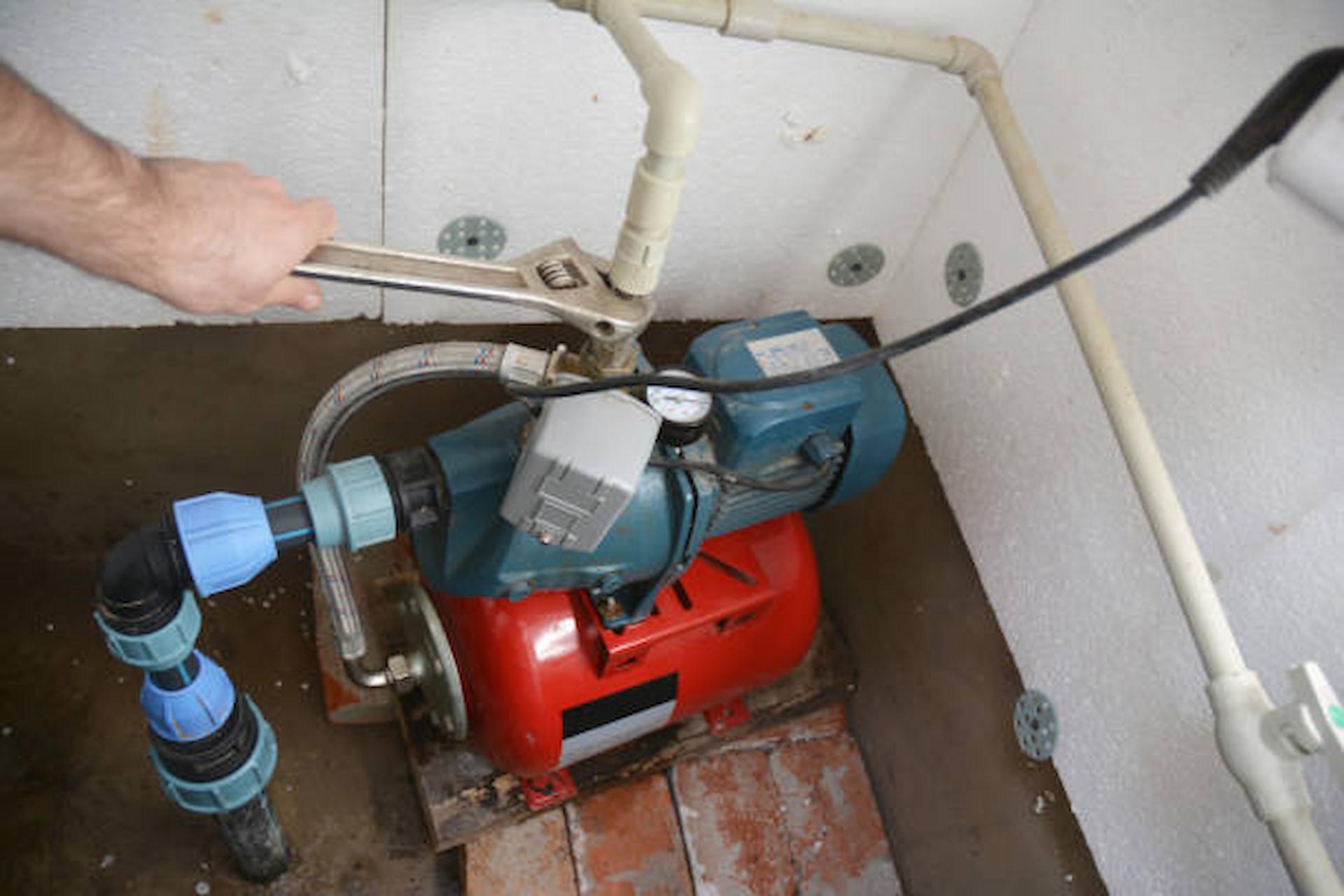
Jet pumps, on the other hand, are installed above ground and draw water up through suction. Shallow well jet pumps work for wells up to around seven or eight metres deep, whilst deep well jet pumps can reach greater depths using a two-pipe system. They tend to be less efficient than submersible models and can be noisier, but they are easier to access for maintenance.
Assessing Your Well Before You Buy
Before selecting a pump, you need accurate information about your well. A reputable drilling company or water specialist can help you assess the following:
- Well depth: This determines which pump type is suitable and the specifications required.
- Static water level: The distance from the surface to the water at rest, which affects pump selection.
- Well yield: Measured in gallons or litres per minute, this tells you how much water the well can reliably produce.
- Water quality: Testing for minerals, bacteria, and other contaminants is essential before installation, as certain water chemistry can affect pump materials and longevity.
- Casing diameter: The pump must physically fit within the well casing, typically four to six inches in diameter for residential wells.
Gathering this information before purchasing any equipment prevents costly mistakes and ensures the system is properly matched to your water source.
Sizing the Pump Correctly
One of the most common errors homeowners make is selecting a pump that is either underpowered or oversized. Both scenarios cause problems. An underpowered pump will struggle to meet household demand, whilst an oversized pump may short-cycle — switching on and off too rapidly — which causes wear and increases energy consumption.
A correctly sized pump is determined by your household’s peak water demand, measured in gallons per minute, and the total dynamic head — the combined pressure the pump must overcome to deliver water to all points of use. A qualified installer will calculate these figures and recommend the appropriate pump model and pressure tank size.
The Role of the Pressure Tank
Often overlooked, the pressure tank works alongside the pump to maintain steady water pressure throughout your home and reduce how frequently the pump switches on. It contains a bladder or diaphragm that holds pressurised air on one side and water on the other, buffering demand so the pump is not constantly cycling.
Pressure tanks come in various sizes, and choosing one that is too small is a common and avoidable mistake. A larger tank means the pump runs less often, extending its service life considerably.
Permits and Regulations
In most areas, well pump installation is subject to local building codes or environmental health regulations. Some jurisdictions require permits before work begins, and others mandate that only licenced contractors carry out the installation. Failing to comply can affect your home insurance or cause complications if you ever sell the property.
Always check with your local authority or water board before work commences. A reputable contractor should be familiar with these requirements and can often handle the paperwork on your behalf.
Choosing a Qualified Installer
Well pump installation is not a DIY project for the uninitiated. Incorrect wiring, improper sealing, or poor pump placement can contaminate your water supply or damage the system beyond repair. Look for a contractor who is licenced, insured, and experienced specifically in well systems — not just general plumbing.
Ask for references, check reviews, and make sure they carry out a site assessment before quoting. A well system should last decades with proper care; investing in a knowledgeable installer at the outset is money well spent.
Conclusion
Installing a well pump is a significant undertaking that rewards careful planning. From understanding your well’s depth and yield to selecting the right pump type, sizing the pressure tank, and ensuring regulatory compliance, there are multiple factors that must align for the system to perform reliably over the long term. Working with an experienced professional who can guide you through every stage of well pump installation will give you the peace of mind that comes with a safe, efficient, and properly functioning water supply.