Your drains can provide early clues about the condition of your plumbing system. Slow drainage, unpleasant odours, unusual sounds, and recurring blockages should not always be dismissed as minor inconveniences. Paying attention to these signs can help homeowners identify developing problems before they become more disruptive or expensive.
When drainage problems persist, drain and sewer services in Des Moines can help determine whether the issue is limited to a household fixture or connected to a larger section of the plumbing system. Professional assessment can be particularly useful when basic maintenance does not resolve the problem.
Slow Drains May Indicate a Developing Blockage
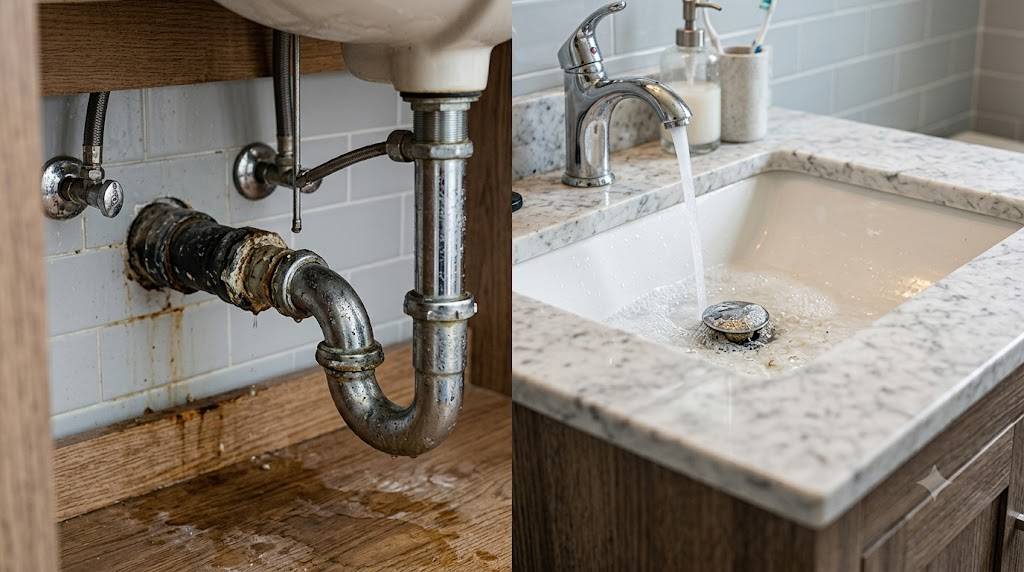
A sink, bath, or shower that drains more slowly than usual may have a partial blockage. Hair, soap residue, food particles, grease, and other debris can accumulate inside pipes and restrict water flow.
A single slow drain may be relatively straightforward to address. However, if several drains throughout the property begin slowing down at the same time, the problem could involve a larger section of the plumbing system. In such situations, drain and sewer services in Des Moines can help identify whether the issue extends beyond an individual fixture.
Do not ignore a gradual decline in drainage speed. Addressing the issue early can reduce the likelihood of a complete blockage and the disruption it may cause.
Listen for Gurgling Sounds
Unusual gurgling noises can occur when air becomes trapped in the plumbing system or when water cannot flow freely through a pipe. You may notice these sounds when flushing a toilet, draining a sink, or using another fixture.
Occasional noises may not indicate a serious problem. However, persistent or increasingly loud sounds, particularly when combined with slow drainage or unpleasant smells, deserve closer attention.
Watch for These Warning Signs
Pay attention if you notice several symptoms occurring together, including:
- Multiple slow drains around the home
- Water backing up into a sink, bath, or shower
- Persistent unpleasant odours
- Gurgling sounds from drains or toilets
- Repeated blockages after cleaning
- Unexplained wet patches near plumbing fixtures
A combination of these signs may suggest that the problem extends beyond an individual drain.
Unpleasant Odours Should Not Be Ignored
Persistent smells coming from a drain can have several causes. Food residue, organic material, stagnant water, or accumulated debris inside a pipe can create unpleasant odours.
Cleaning the affected drain may resolve a minor issue. If the smell returns quickly or comes from multiple fixtures, however, further investigation may be worthwhile.
A strong or persistent odour can make a home uncomfortable and may indicate that wastewater is not moving through the system as it should. Rather than repeatedly masking the smell, homeowners should try to identify and address its source.
Recurring Blockages Need More Attention
A blockage that returns soon after being cleared is worth investigating. Repeatedly treating the same symptom may provide temporary relief without addressing the underlying cause.
The problem could involve accumulated debris, damaged pipework, an obstruction deeper within the system, or another plumbing issue. The exact cause cannot always be determined from the affected fixture alone.
If the same drain repeatedly becomes blocked despite reasonable maintenance, professional assessment can help establish whether a more extensive repair is necessary.
Be Alert to Water Backups
Water backing up through a sink, shower, or floor drain is a more significant warning sign than ordinary slow drainage. It can indicate that wastewater is unable to move through the plumbing system properly.
If dirty water begins returning through a household drain, avoid using the affected fixtures until the cause is understood. Continued use could increase the amount of water entering an already restricted system.
Homeowners should also take care around standing wastewater and keep children and pets away from affected areas until the problem has been properly addressed.
Prevention Can Reduce Drain Problems
Good habits can help minimise common drainage issues. Avoid pouring cooking grease and oil into sinks, use suitable drain covers, and remove visible debris before it enters the pipework.
It is also sensible to pay attention to changes in drainage rather than waiting for a complete blockage. Early action is generally less disruptive than dealing with an emergency involving overflowing water or wastewater.
Regularly checking accessible plumbing fixtures can also help homeowners spot leaks, unusual moisture, or other warning signs before they develop into more serious problems.
Conclusion
Your drains can reveal useful information about the condition of your plumbing system. Slow drainage, gurgling, persistent odours, recurring blockages, and water backups are signs that deserve attention. By recognising these warning signals early and responding appropriately, homeowners can reduce avoidable disruption and help keep their plumbing system functioning reliably.